Counting What Matters: UK Repair Impact, Carbon and Waste

Today we dive into Impact Reporting: Calculating CO2 Savings and Waste Diverted by UK Repair Initiatives, translating workshop records, repair outcomes, and extended product lifetimes into auditable insights. Expect practical methods, open tools, and moving stories that turn a Saturday fix into credible numbers shaping funding, local policy, and everyday choices across communities.

Why Counting Repairs Changes Everything

When repairs are measured consistently, communities move from good intentions to persuasive evidence. Comparable data reveals how a revived kettle, mended jeans, or re-soldered laptop prevents emissions and landfill. This clarity unlocks funding, strengthens partnerships with councils, and inspires residents to join the next event with confidence and pride.

Defining CO2 Savings the Right Way

Carbon results depend on careful definitions. Are we measuring avoided production from not buying new, avoided disposal processes, or both? Which functional unit, lifetime, and replacement scenario apply? Clear boundaries reduce confusion, prevent double counting, and ensure each repaired item tells an honest, comparable climate story.

Measuring Waste Diverted Without Guesswork

Waste diversion estimates should reflect what truly stayed out of bins, not wishful thinking. Clear categories, weight estimates, and consistent treatment pathways distinguish between reuse, recycling, and residuals. By standardising material types and likely destinations, community events can report honestly while still celebrating meaningful, evidence-backed wins.

Weights, Estimates, and Scales in the Community Hall

Not every venue owns a calibrated scale. Use reference weights, manufacturer data, or look-up tables when needed, and document methods. Even better, weigh a sample of items to validate estimates. Small improvements—sticky labels, size guides, shared sheets—can transform chaotic days into dependable waste diversion data.

Classifying Materials the Same Way Everywhere

Agree on categories such as small electricals, textiles, furniture, bikes, and phones. Use consistent subcategories for materials like plastics, metals, glass, and fabric blends. Shared taxonomies make aggregation possible across groups and regions, supporting fair comparisons, stronger advocacy, and collaborative learning about what works best.

Beyond Landfill: Reuse, Recycling, and Residuals

Diversion is not binary. Track outcomes: repaired and kept in use, repaired and donated, repair unsuccessful with parts salvaged, or sent for recycling. When recycling occurs, record whether local facilities can actually process it. Nuanced reporting avoids overstated diversion and highlights opportunities to improve local infrastructure.

Data Collection in Busy Repair Spaces

Workshops bustle with conversations, solder fumes, and tea breaks. Data capture must be quick, friendly, and reliable. Simple forms, QR codes, and offline options reduce friction. Clear consent statements and privacy practices respect attendees, while small training moments help volunteers gather usable, consistent information every time.

01

Capturing What Matters in Under a Minute

Focus on essentials: item type, make and model, age, fault, outcome, estimated life extension, and whether a new purchase was averted. Add optional notes for parts, travel, and photos. Design forms that work on phones with big buttons, saving precious time during peak queues.

02

Training Volunteers to Record Consistently

A five-minute briefing before doors open builds shared habits. Show examples of good entries, define outcomes clearly, and explain why precision matters. Provide laminated quick guides on clipboards. Celebrate accurate entries after events so volunteers feel proud, confident, and motivated to keep improving documentation.

03

From Paper Sheets to Open Databases

Paper never runs out of battery, yet digital tools enable aggregation and transparency. Photograph sheets immediately, transcribe soon, and use open data fields wherever possible. Publish anonymised results with methods, allowing others to verify, reuse, and build stronger evidence together across different towns and networks.

Quality Assurance That Survives Saturday Rushes

Expect typos, missing entries, and scribbles. Build checks: required fields, dropdowns for outcomes, and flags for improbable ages or lifetimes. Keep an audit trail of edits. These routines protect credibility and help volunteers feel supported rather than blamed when conditions become hectic.

Transparent Calculators and Open Methods

Publish your calculation spreadsheets or code, note data sources, and state versioned factors. Include uncertainty ranges and sensitivity tests for lifetime assumptions. When others can reproduce results, your findings travel further, attract partnerships, and reduce repeated reinvention by groups facing the same recurring questions.

Visuals That Speak to People, Not Just Analysts

Charts that link fixes to relatable outcomes—kettles boiled, phones saved, jeans worn longer—help everyone understand impact. Use accessible colours, short captions, and context notes. Pair graphs with an invitation to volunteer, donate parts, or host a session, converting curiosity into practical, collective action.

Turning Raw Records into Impact Reports
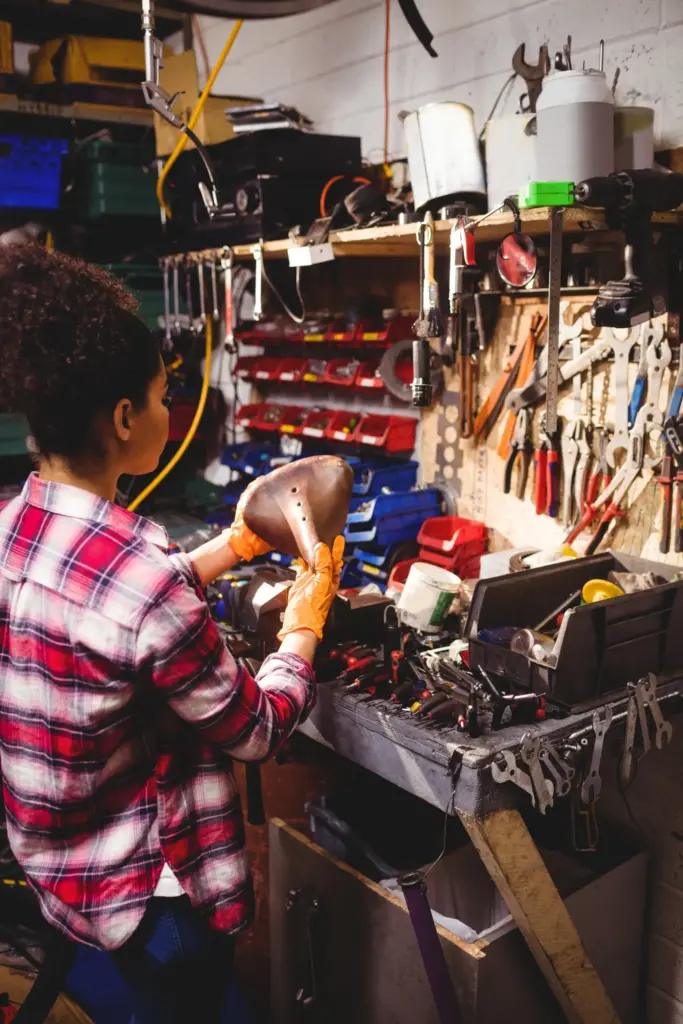
Data must travel from messy Saturday notes to clean, comprehensible insights. Deduplicate items, validate outcomes, and apply documented carbon and waste factors. Combine numbers with short human stories, photos, and quotes. The result persuades policymakers and neighbours alike while inviting feedback, questions, and collaboration.

Policy, Funding, and Scaling What Works

Robust reporting opens doors. Councils need dependable metrics for net-zero plans, and funders back projects with clear additionality. Shared benchmarks enable comparisons across regions, while coalition storytelling keeps the human heart beating inside the numbers. With aligned language and methods, repair moves from nice-to-have to essential infrastructure.
Rinofarivexozavopexipalo
Privacy Overview

This website uses cookies so that we can provide you with the best user experience possible. Cookie information is stored in your browser and performs functions such as recognising you when you return to our website and helping our team to understand which sections of the website you find most interesting and useful.